
Early-life history traits of Thalassoma bifasciatum in Culebra, Puerto Rico
Read our recent publication about early life history traits of the Bluehead Wrasse in the International Journal of Tropical Biology and Conservation (Revista de Biología Tropical).
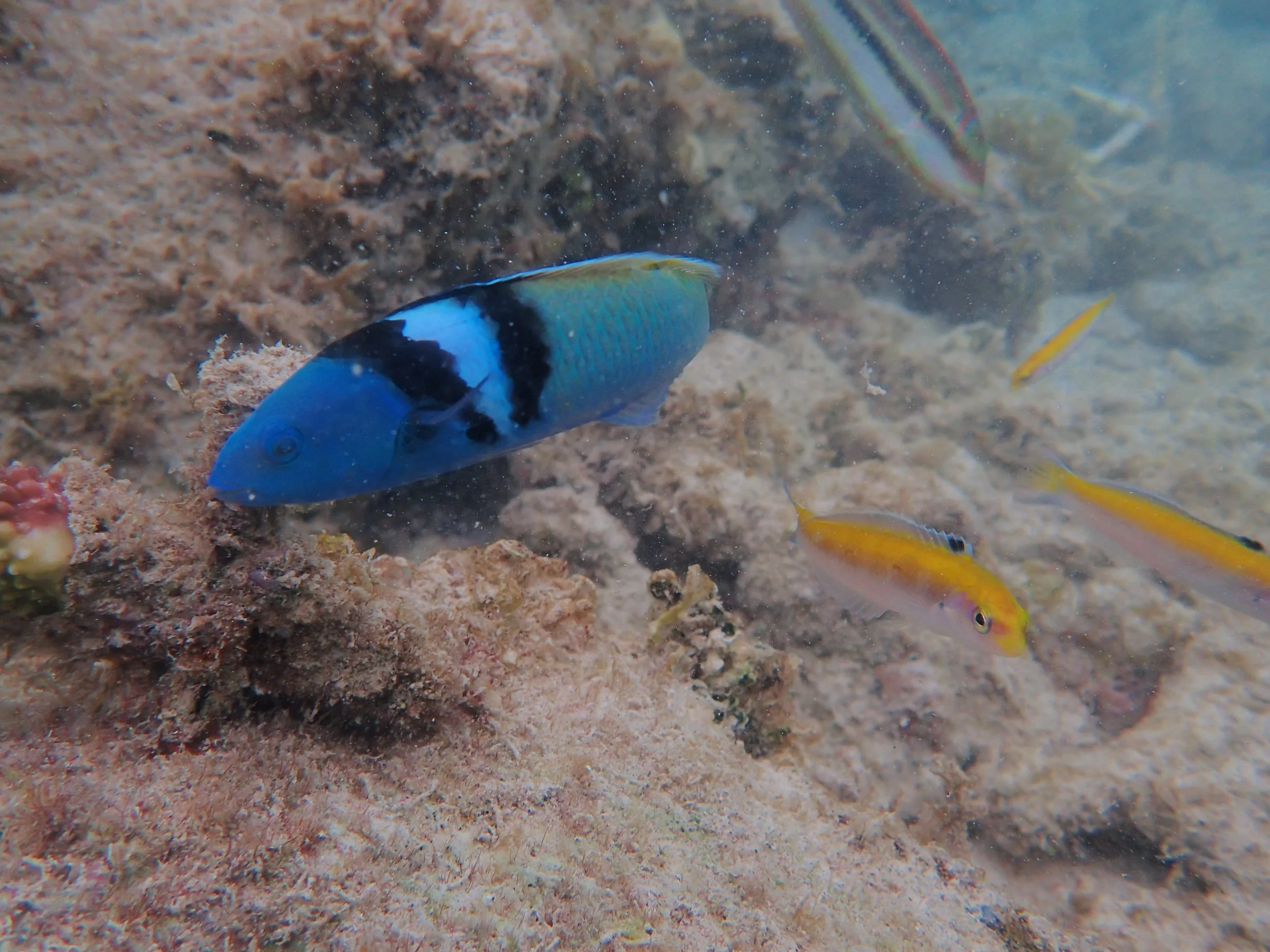
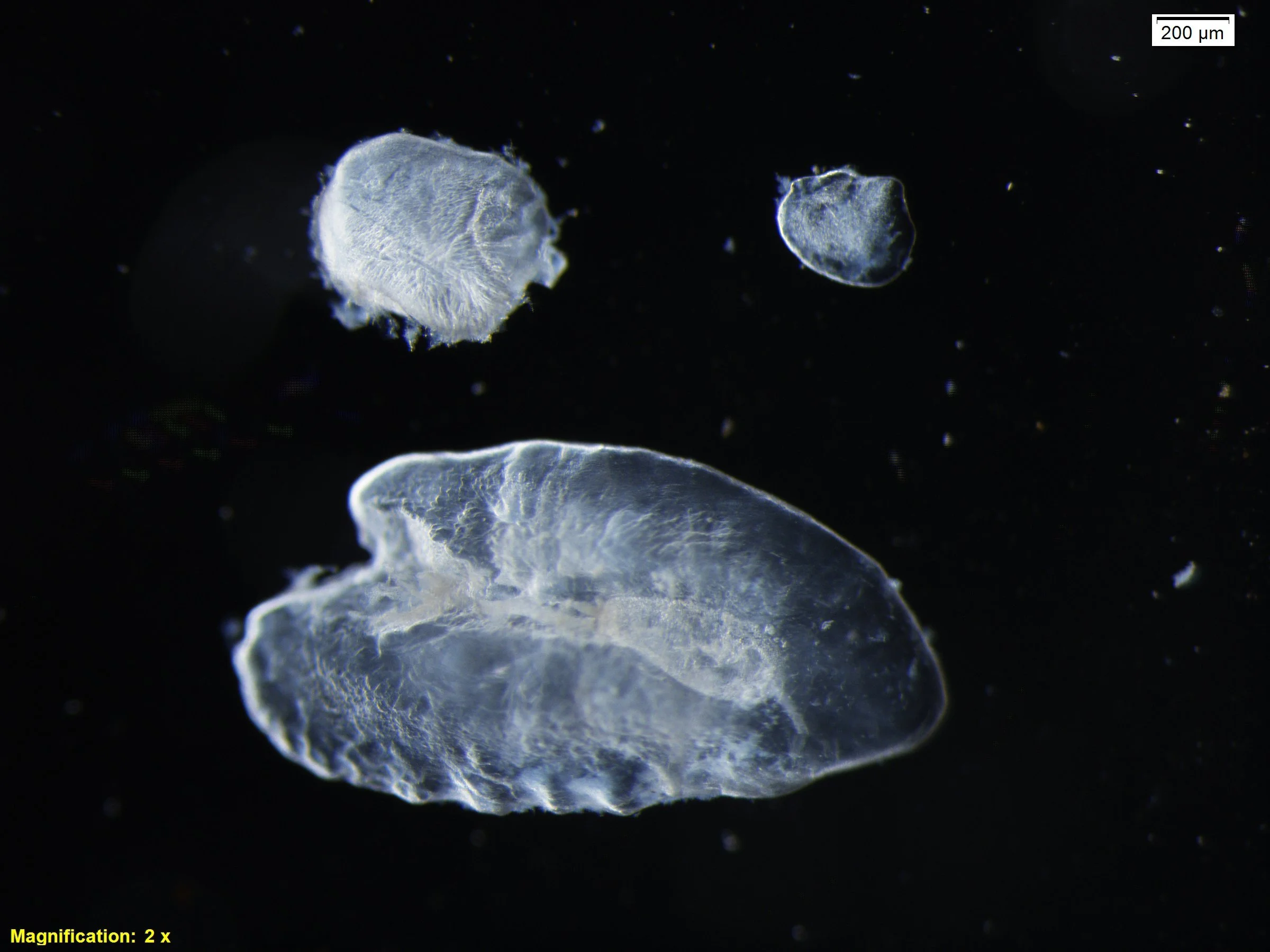
Introduction: The study of labrid otoliths has contributed significantly to our understanding of life histories of tropical reef fish. Life history theory is based on the effect on lifetime reproductive success (i.e., fitness), growth, mortality rates, age at maturity, reproductive output, and particularly for reef fish age and size at settlement of pelagic larvae to benthic juveniles.
Objective: Quantify age and larval growth at settlement, subsequent length, and body condition of Thalassoma bifasciatum.
Results: Otolith analyses revealed settlement ages ranging from 10 to 37 days and estimated standard length of 9–20 mm at settlement. Growth analyses demonstrated a significant positive relationship between age and length, while length – weight regression revealed a negative allometric growth, where length increases at a faster rate than body mass (b < 3). Additionally, Fulton’s condition factor declined with the increasing length.
Conclusions: This study highlights early life history and growth patterns in T. bifasciatum in Culebra, PR and underscores the need for further exploration of life history traits to better understand population dynamics of tropical reef fishes. The rapid settlement observed in our study may be attributed to elevated water temperatures, suggesting that environmental drivers play a critical role in shaping recruitment and growth. This emphasizes the importance of incorporating environmental drivers when evaluating recruitment and population structure.
